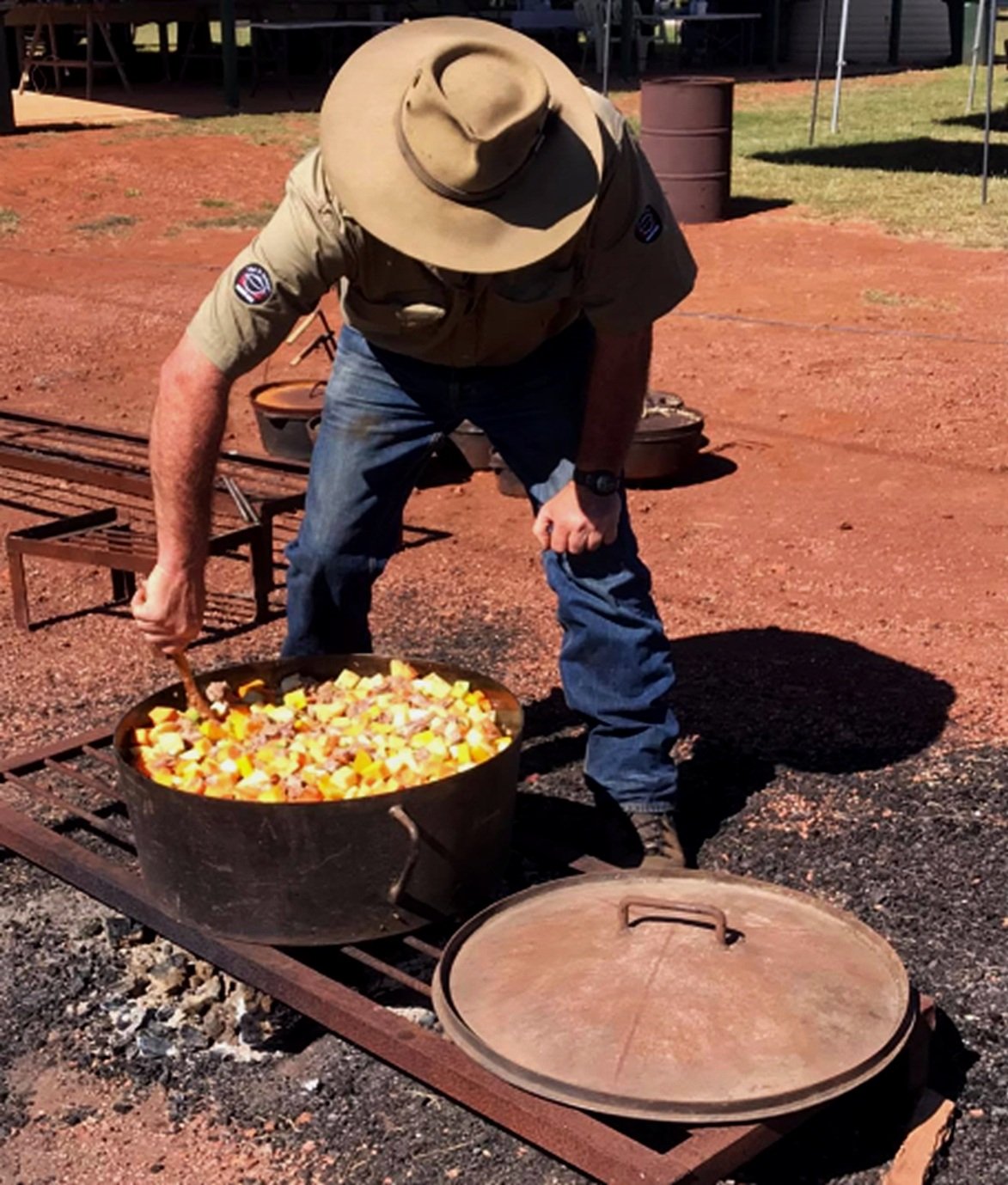

Bush Cooking Demonstration
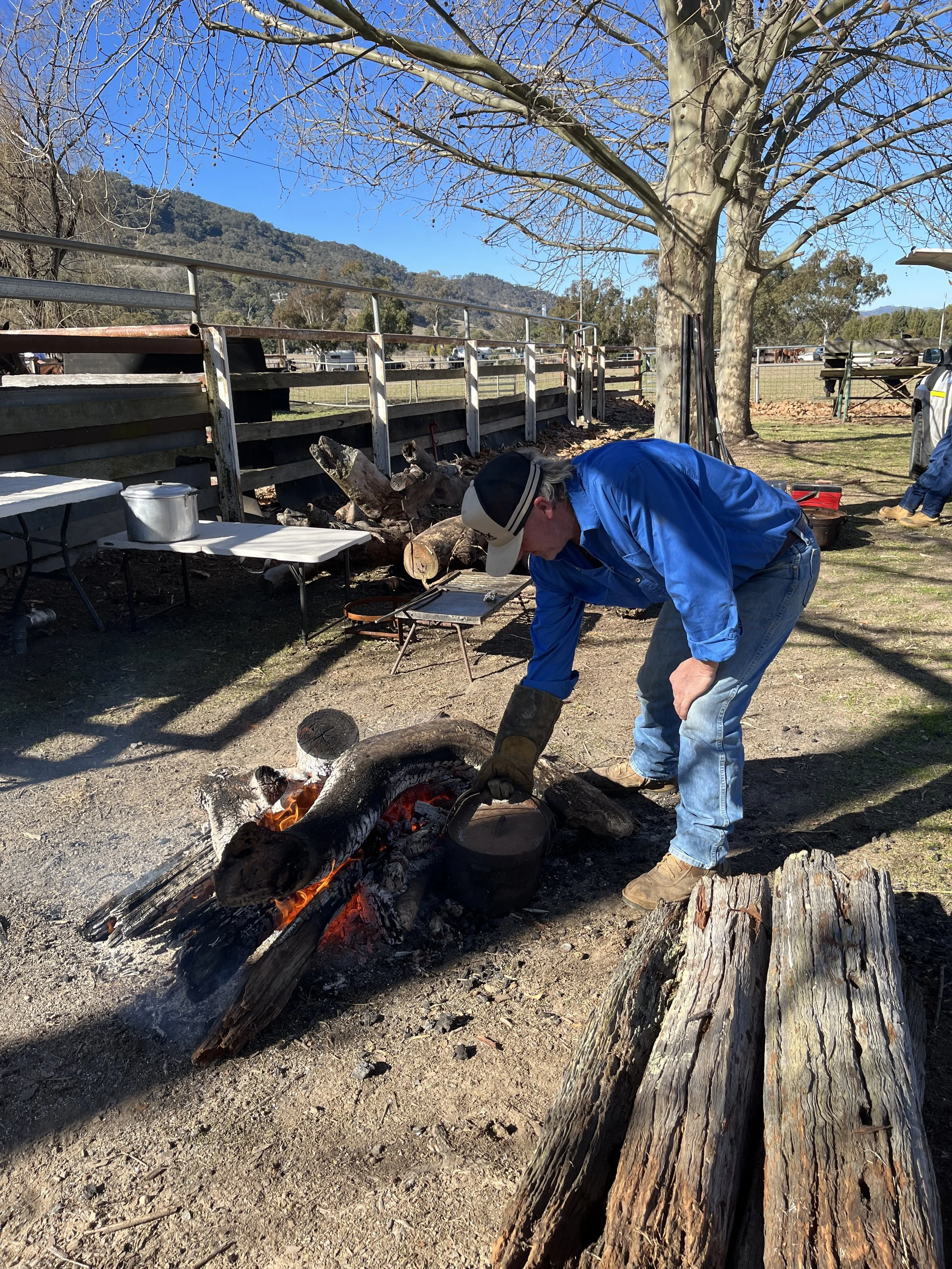
Catch local camp oven chef, Tac Towns, slaving over the coals all day Friday as he creates a hearty and delicious dinner of damper, stews and dessert for our Friday evening Stockman’s Supper.
Whipping up a meal from whatever is in the tuckerbox, keeping it tasty and understanding how to get the most from a fire is how camp cooks create a cracker of a meal. From scones and damper to hearty curries and stews to pizza and pasta, there’s not much that can’t be cooked in a camp oven.
Keeping heritage and traditions alive, the King of the Ranges Bush Cook combines educational information with bush stories during their camp oven cooking demonstrations.
Tack Towns will be at KOTR cooking dampers and sharing his in-depth knowledge and skill in cooking over a campfire. Covering topics such as heat control, different heat sources, cleaning and caring for the camp oven, camp oven storage and different types of camp ovens all with a unique sense of Australian humor.
Come and have a chat with Tac.
Top Tips for Camp Oven Care
The one thing KOTR absolutely positively knows about camp cooking, is everyone has their own story to tell and their own best fire secrets. But we’ll share ours with you over the weekend.
How To Season Your New Camp Oven
Bring your camp oven to a roasting temperature (good n hot). It may smoke, if so, wait until the smoke dies down. Pour a bit of olive oil, add some salt and wipe it around the inside of the camp oven, including all sides and the lid. Heat it again and the salt will discolour. Be sure to heat the sides, the camp oven does not have to have the lid on, repeat 3 to 4 times and the camp oven is ready to use.
TIP: The less you “clean” it and the more you use it, the better the flavour will be.
How To Care for Your Camp Oven
After cooking your favourite meal, you may have to rinse the camp oven with hot water. Tip out any liquid and chip off any cling ons. Don’t scrub too hard or you’ll scrub off the flavour. Only use a tiny amount of detergent. Smear the oil around the inside of the pot with a paper towel or rag. If your oven is still a bit dry, use an oil of your choice (avoid canola oil) and line the inside of the oven. It is now ready to be stored or used again.
CAUTION: Never put cold water into a hot oven, as it may crack the cast iron.
What is Bush Cooking?
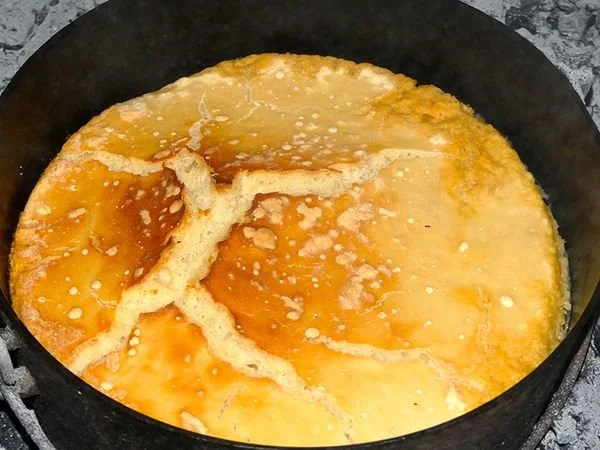
It’s an Australian way of cooking using fire or coals to create the sort of food that fills your belly after a hard day in the saddle.